EVERYTHING YOU DIDN'T KNOW ABOUT PAN DE MUERTO.
Every November, the scent of orange blossom, butter, and sugar fills the bakeries and streets of Mexico.
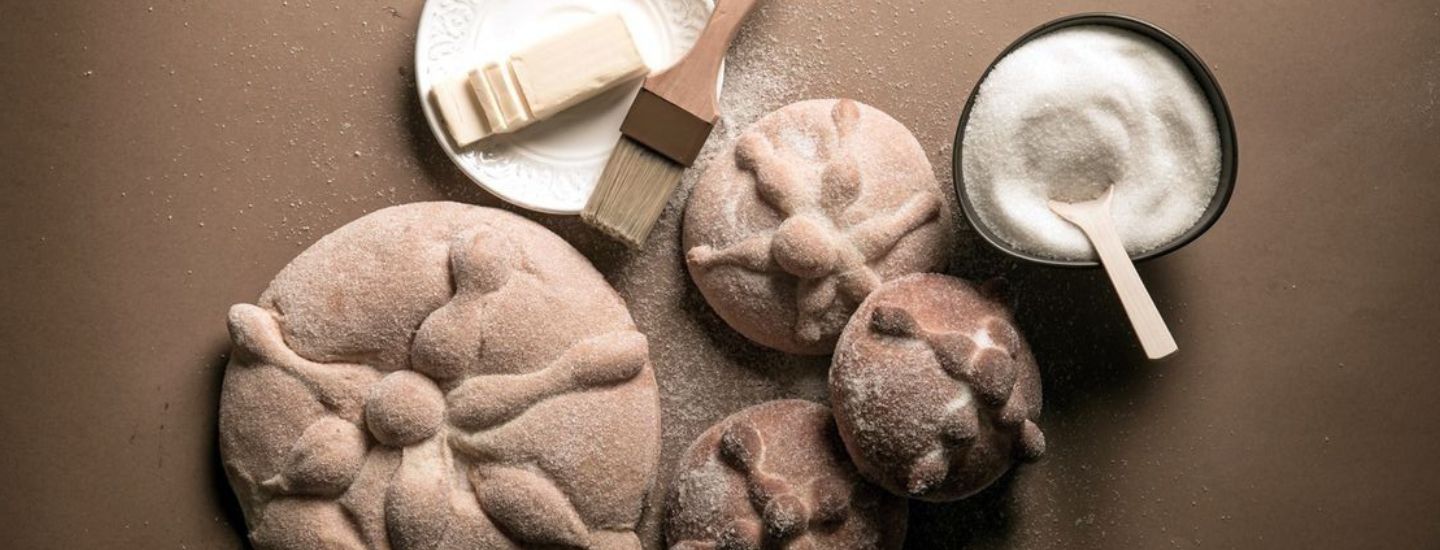
Every November, the scent of orange blossom, butter, and sugar fills the bakeries and streets of Mexico. It’s an unmistakable sign that we all recognize instantly: Pan de Muerto has arrived. This traditional bread is more than just a seasonal dessert; it is an edible offering steeped in history, symbolism, and tradition that connects us to our roots and to those who are no longer with us.
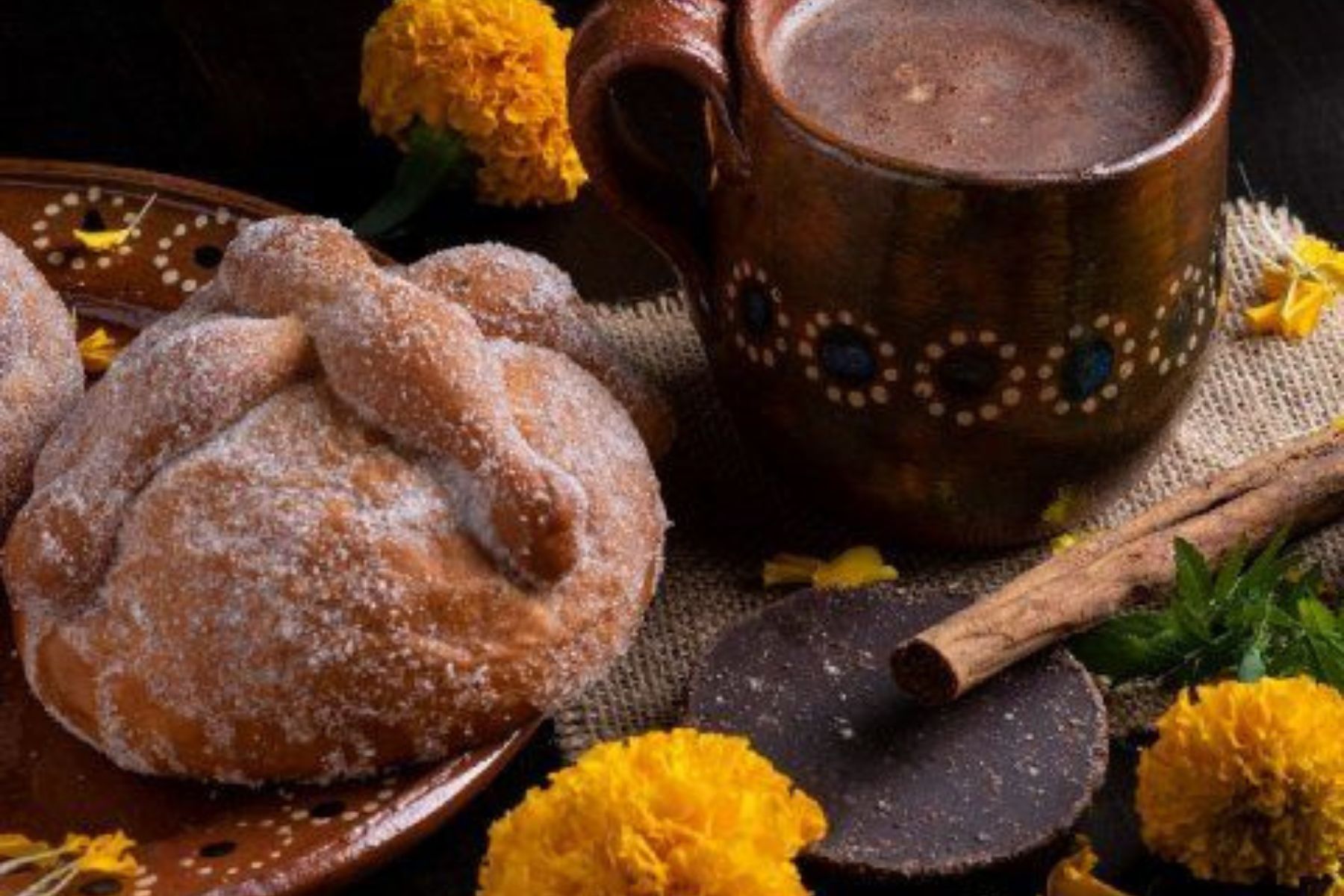
If you’re as big a fan of Pan de Muerto as we are, sit back and take a moment to read all the fun facts we have for you about our favorite seasonal treat.
Did you know where it comes from?
Its origins date back to pre-Hispanic times, when indigenous peoples offered food to the gods as part of their rituals regarding death and fertility. It is said that in some rituals, bread made from amaranth mixed with human blood was prepared to honor the gods, symbolizing life and death in a single act.
With the arrival of the Spanish, this practice was completely transformed, replacing the amaranth with wheat and the blood with sprinkled red sugar. And so, one of our most beloved and delicious traditions was born, serving as a symbol of the union between two cultures.
What does its shape mean?
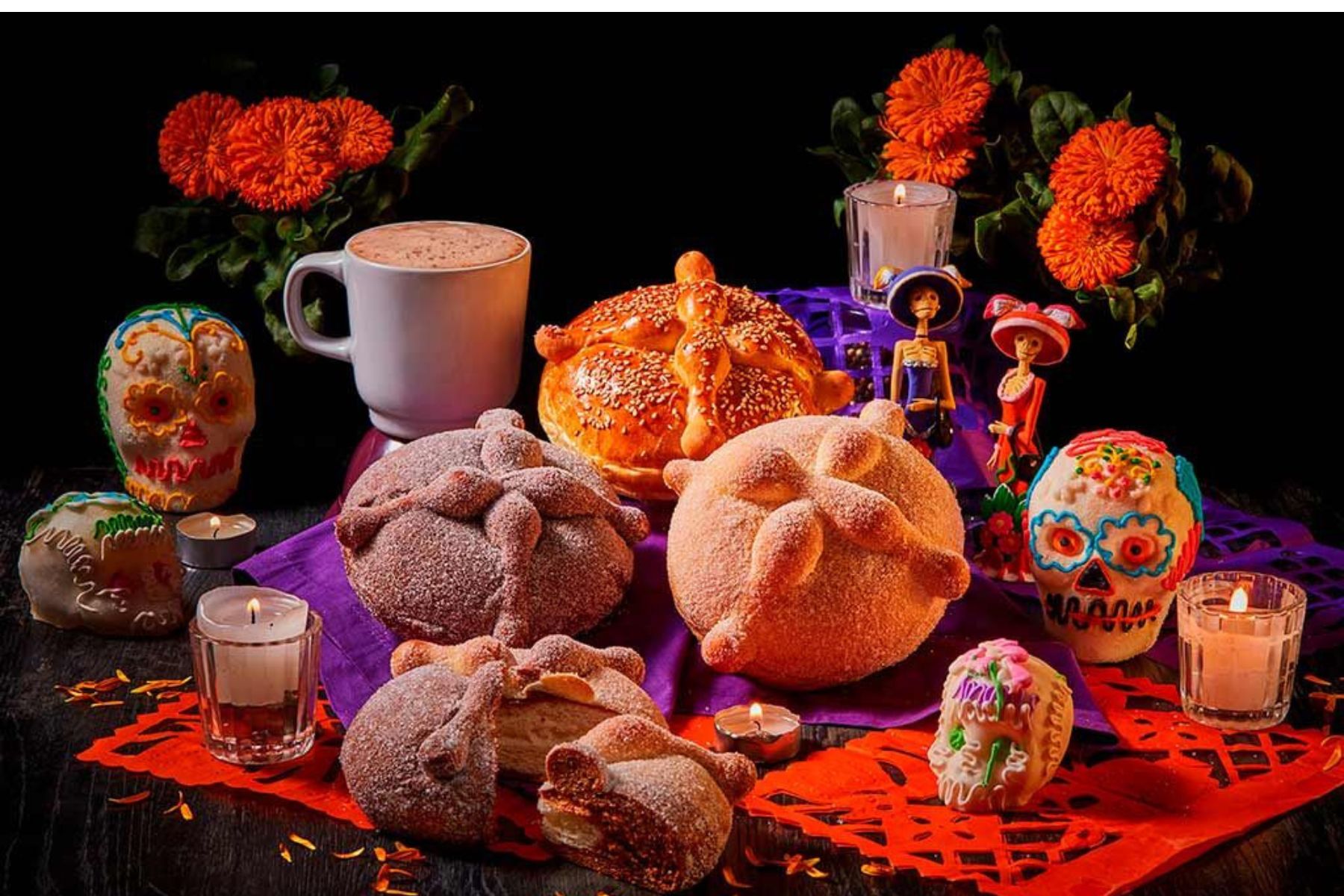
Its round shape represents the cycle of life and death, while the strips of dough that adorn it like bones symbolize the remains of our loved ones or the four cardinal directions leading to Mictlán (the underworld).
The small ball in the center represents the skull or the heart, depending on the region where it is prepared. The touch of sugar, the orange flavor, and the aroma of orange blossom evoke the purity of the soul and the fragrance of eternity.
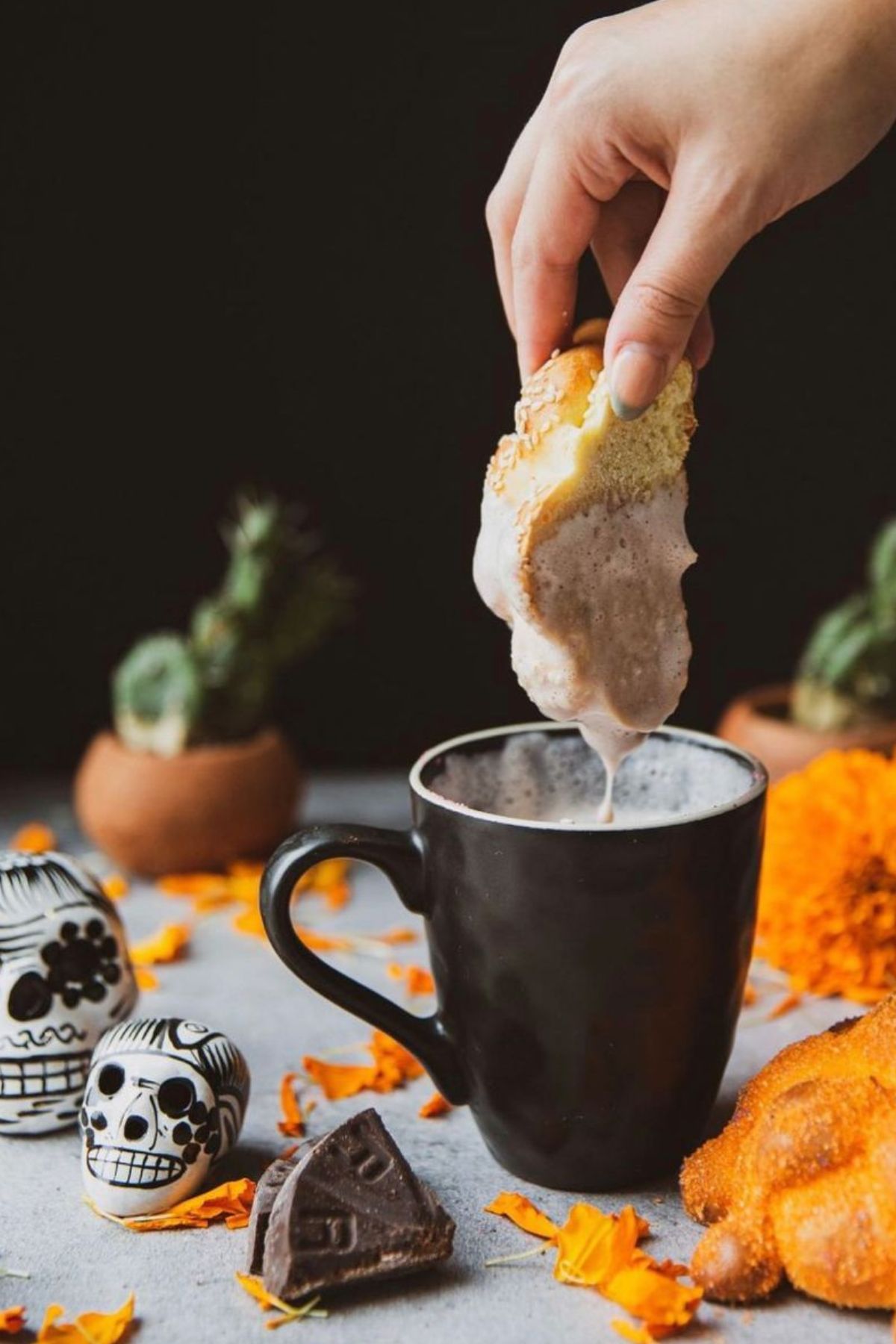
Beyond its symbolism and meaning, Pan de Muerto has an indescribable quality: the power to bring families, memories, and emotions together around a table to be shared with coffee, hot chocolate, and stories. Each bite becomes a tribute to those who have passed and a celebration of life itself.
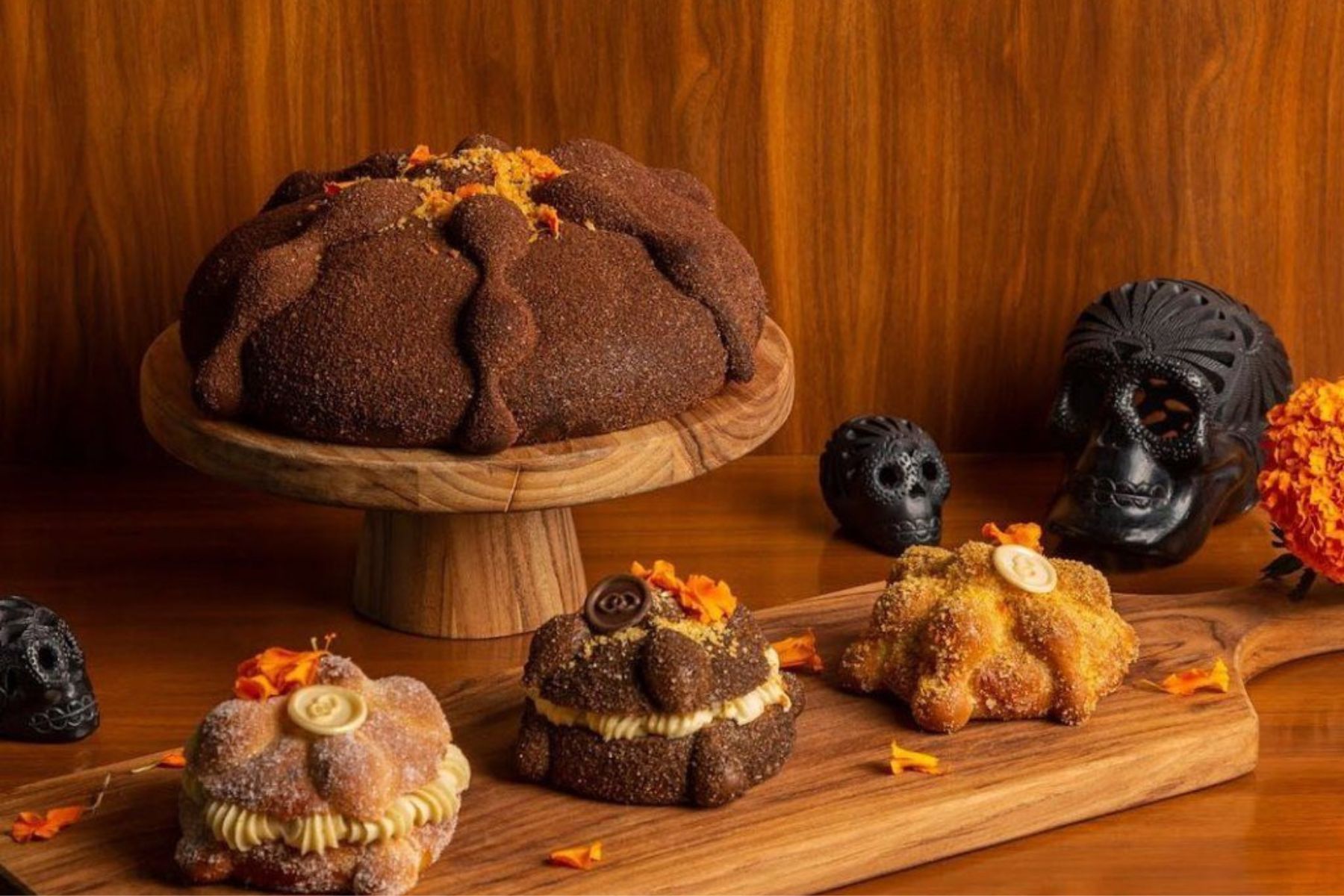
Every region of Mexico has its own version. In Oaxaca, it’s made with egg yolks; in Puebla, it’s filled with heavy cream; in Michoacán, it’s dyed pink; in Mexico City, the classic sugar-dusted version reigns supreme; and in other places, it’s filled with chocolate or cream.
When placed on the Day of the Dead altar, it represents the host's generosity and the cycle of life: birth, growth, death, and rebirth.
We’re sure that after reading this, you’ll be craving one and on the hunt for the best Pan de Muerto in the city, so we’re sharing some of our favorites with you.
· GOITI
· BANETTO
· KARMELE
Discover more options on our social media and let us know which one you would add so we can run and try it.
See you soon.