A Mexican-style Christmas.
When it comes to celebrating, Mexicans are in a league of their own.
When it comes to celebrating, Mexicans are in a league of their own. That’s why we have one of the best Christmas traditions: the famous “Guadalupe-Reyes” season, because we only need one excuse to keep the party going for weeks.
In case you didn't know, this popular Mexican tradition, as the name suggests, begins on December 12th with the Day of the Virgin and ends nearly a month later with the celebration of Three Kings' Day on January 6th. It combines religious, cultural, and social events.
We certainly know how to celebrate Christmas; most of us Mexicans love to go all out during these holidays in the company of our loved ones.
.jpeg)
Take the posadas, for example, which take place from December 16th to the 24th, recreating Mary and Joseph’s pilgrimage as they searched for a place to stay before the birth of Jesus. During this celebration, it is customary to ask for lodging through carols. Both groups—those inside and those outside—sing back and forth to request shelter for the night.
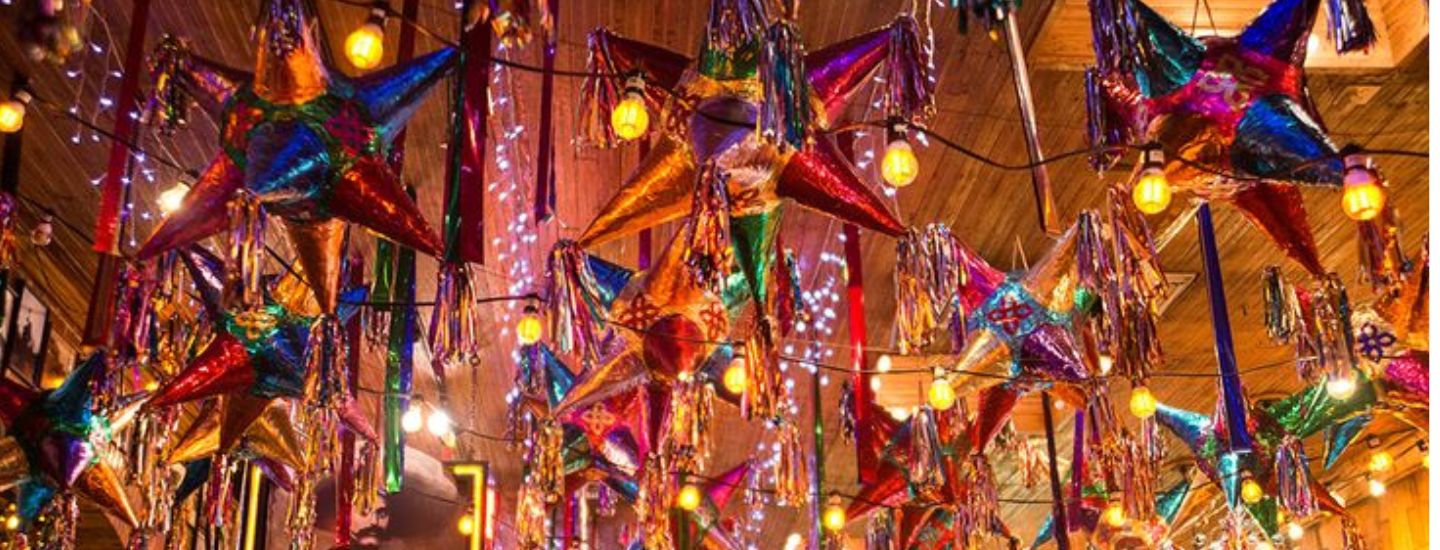
We break the famous Mexican piñatas filled with peanuts, tangerines, traditional candies, sugarcane, and small toys. These piñatas have seven points forming a star, symbolizing the seven deadly sins. During dinner, it is common to share sweet or savory tamales, various flavors of atole, fruit punch, and buñuelos.
.jpeg)
For these holiday festivities, Mexican families have specific Christmas decorations for their homes, workplaces, businesses, and public squares. Lights are a symbol of Jesus as a spiritual guide in a world full of darkness; they also represent hope, joy, and unity during a time of year that invites reflection and sharing with those closest to us.
Today, lights are a staple of modern festivities, filling homes and cities with color and warmth. With their glow, they create a magical atmosphere of peace, nostalgia, and happiness.
.jpeg)
We also see Christmas garlands and wreaths made of pine branches hung on doors as charms to ward off evil spirits and bring good luck to our homes. These decorations represent the endless cycle of life, eternity, unity, hope, strength, and renewal in the middle of winter.
Another characteristic element of this holiday is the nativity scene, which can be found in homes all across Mexico. Some families set them up inside as part of their Christmas decor, while others place them in strategic spots facing the street so passersby can admire them.
In many homes, the baby Jesus figure is placed in the manger at midnight on December 24th, symbolizing his birth. The tradition is for families to gather around the nativity scene to pray and strengthen their faith and family bond. Afterward, the children approach to adore the baby Jesus and give him a kiss.
.jpeg)
One element that is a must for this celebration is the Christmas tree, which has its origins in Germanic and Nordic cultures, where trees were decorated during the winter. This practice has been preserved for many years and adapted into the tradition we keep today, serving as a reminder of hope and eternal life.
Another one of our customs in Mexico is gathering with our families to have dinner and celebrate on Christmas Eve (December 24th). The meal includes traditional Christmas dishes like turkey, romeritos, bacalao, roasted pork leg, the famous apple salad, tamales, fruit punch, atole, wine, and cider—among many other delicious options cooked by Mexican mothers and grandmothers, who are famous for their great cooking.
.jpeg)
Catholics often attend the “Misa de Gallo” (Midnight Mass) that same night to give thanks and celebrate the birth of baby Jesus, then reunite with their families to enjoy a time of peace, family unity, and harmony.
To liven up the Christmas celebrations, we have villancicos—traditional carols heard during this season that carry emotional messages of love, hope, and peace for our hearts.
Finally, we wrap up this long celebration after several days of festivities with Three Kings' Day on January 6th. We celebrate by gathering on the eve of the holiday to cut the traditional Rosca de Reyes, which represents the infinite and eternal love of Jesus, which has no beginning and no end.
.jpeg)
The rosca is decorated with candied fruits that symbolize the jewels on the crowns of the Three Kings, representing the diversity and the gifts they brought to baby Jesus. As part of the tradition, small plastic figures are hidden inside the bread, and the person who finds the figurine must host the tamales on Candlemas, February 2nd.
Christmas in Mexico is a religious and cultural celebration, but above all, it is a reminder of the value of family unity, generosity toward those in need, and time spent sharing joy with the people around us. It is a period of tranquility, nostalgia, and calm in our lives, offering us the opportunity to renew ourselves each year and become a better version of ourselves.
May this Christmas be filled with happiness, hope, and good wishes for you and your loved ones!
Talk to you soon, Merry Christmas!