It’s December, and the flavors of the holidays are here.
We have plenty of reasons to get together and celebrate with our loved ones.
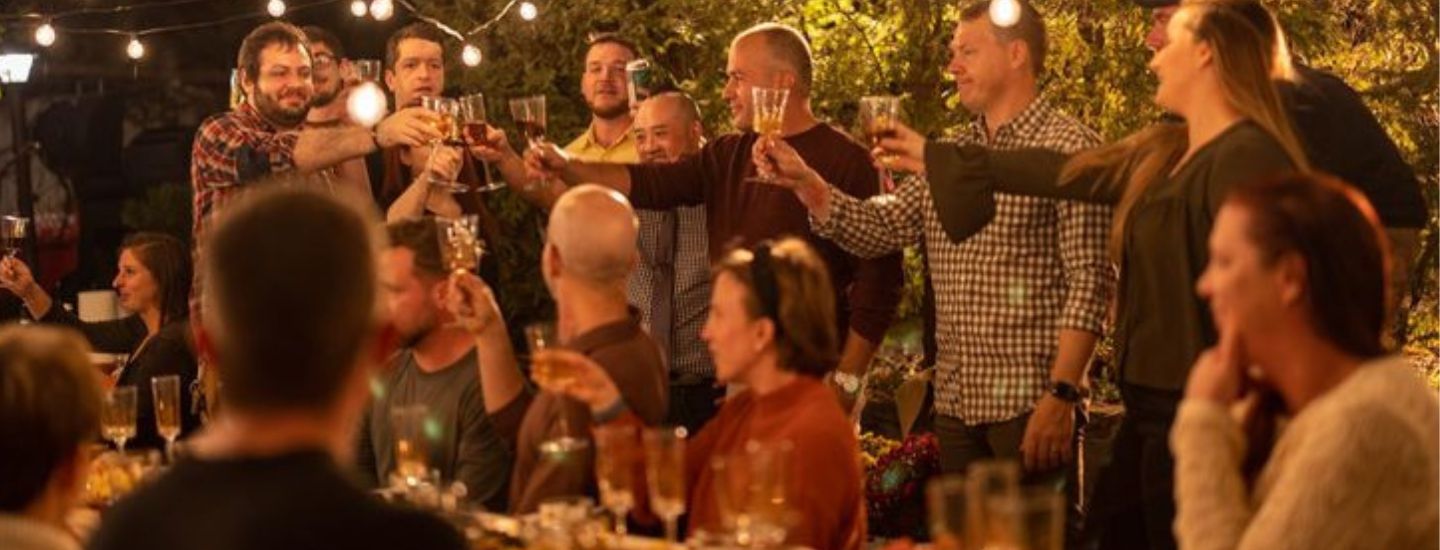
We are entering the final month of the year, and December is off to a festive start. We all love the holiday season for its posadas, year-end celebrations, gatherings with friends, family dinners, and the various traditions we celebrate here in Mexico. Without a doubt, we have plenty of reasons to get together and celebrate with our loved ones.
We know that calories take a backseat this month, and we allow ourselves to enjoy all those delicacies that are part of the Christmas season, such as delicious tamales, sweet buñuelos, atole, stuffed turkey, pork loin, romeritos, fruit punch, and the famous apple salad, which always takes us hours to chop into fine pieces to give that special touch to our Christmas dinners.
Have you ever wondered where all these traditions come from?
Here, we share a bit of context about the traditional Christmas food that we prepare and enjoy with our families every year.
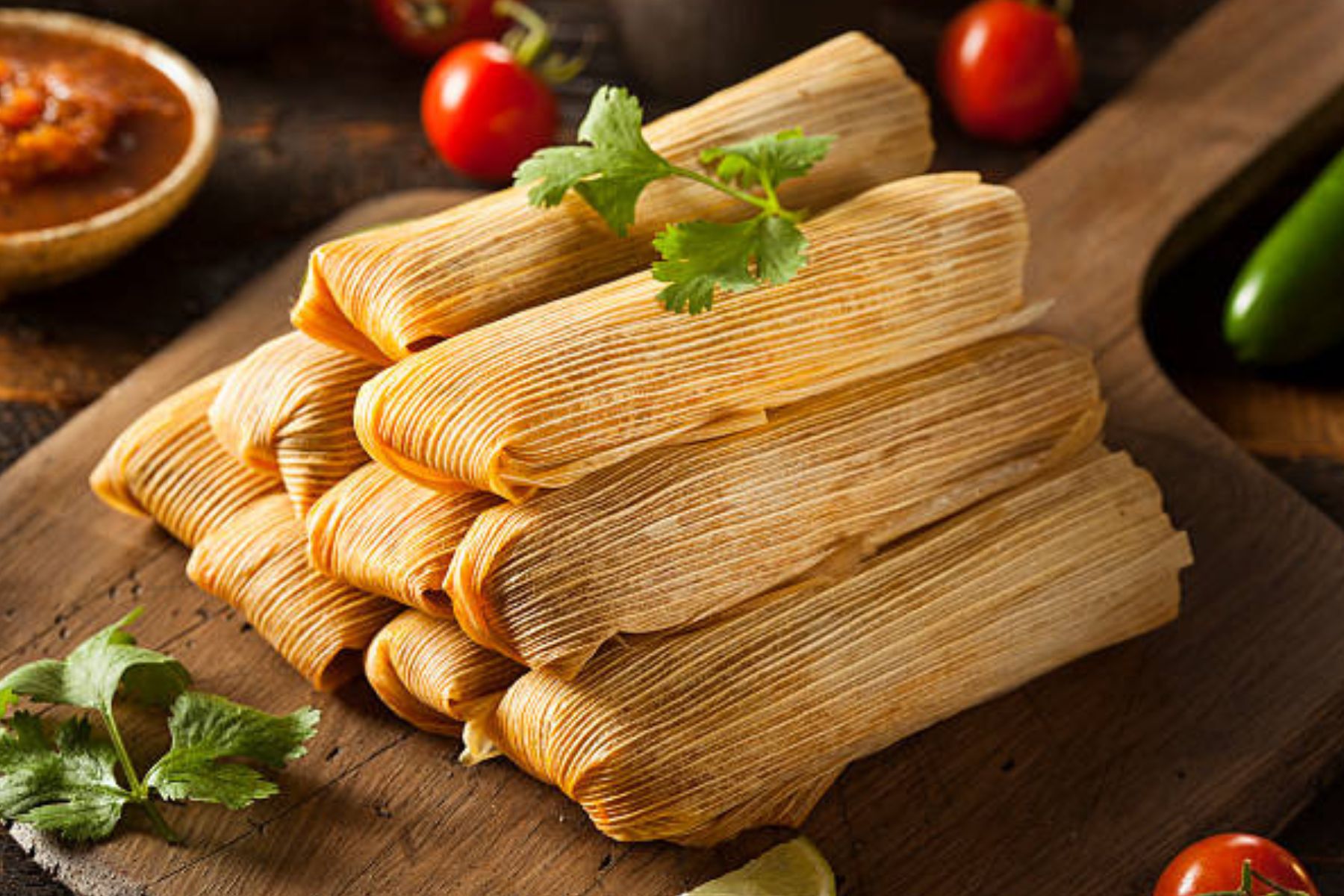
TAMALES.
The Christmas tamal dates back to pre-Hispanic times, when it was used in religious ceremonies and festivities. Its basic ingredients, such as corn masa and various fillings, were part of offerings in the Mexica, Maya, and Olmec cultures.
Preparing them signifies unity and celebration, as families or communities often organize a "tamalada" to make and cook them together. This collective activity strengthens family and community bonds. Furthermore, corn is a staple food that represents life and abundance in indigenous cultures.
We don't just enjoy tamales in Mexico; we share this beautiful tradition with countries like Guatemala, El Salvador, Venezuela, Colombia, Nicaragua, and Honduras.
ROMERITOS.
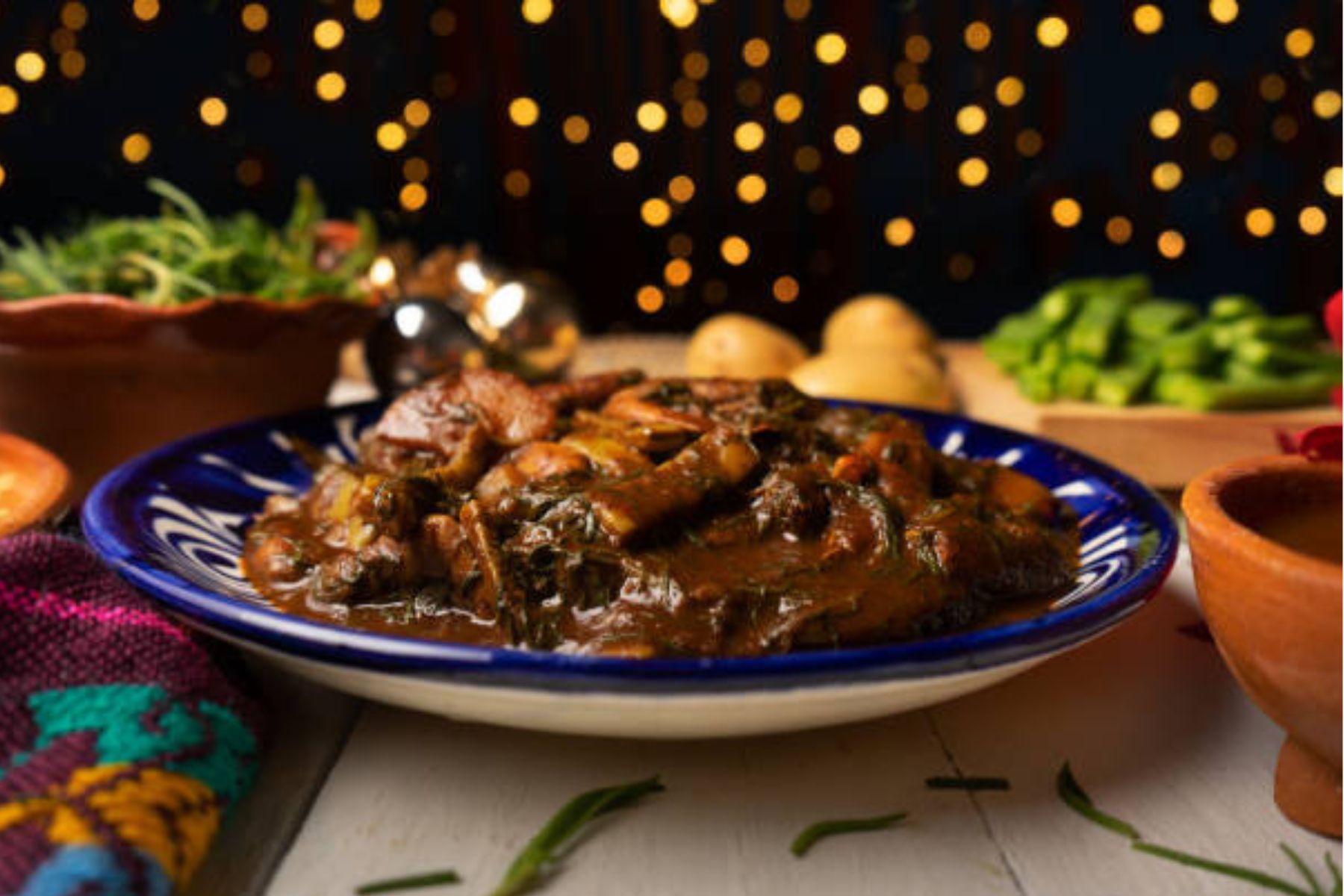
This is one of the most traditional dishes in the center of the country, especially consumed at Christmas. Indigenous people were already preparing it long before the arrival of the Spanish as part of their daily diet, accompanying it with sauces made from local ingredients. With the arrival of the colonizers, romeritos merged with other flavors, such as mole and dried shrimp.
It is a common dish during Lent due to the Catholic tradition of abstaining from red meat on holy days, as its main ingredients are vegetables and seafood.
Romeritos are associated with the harvest season and the idea of using local foods to celebrate the holidays. We share this tradition with countries like Peru, Guatemala, El Salvador, and Spain.
BUÑUELOS.
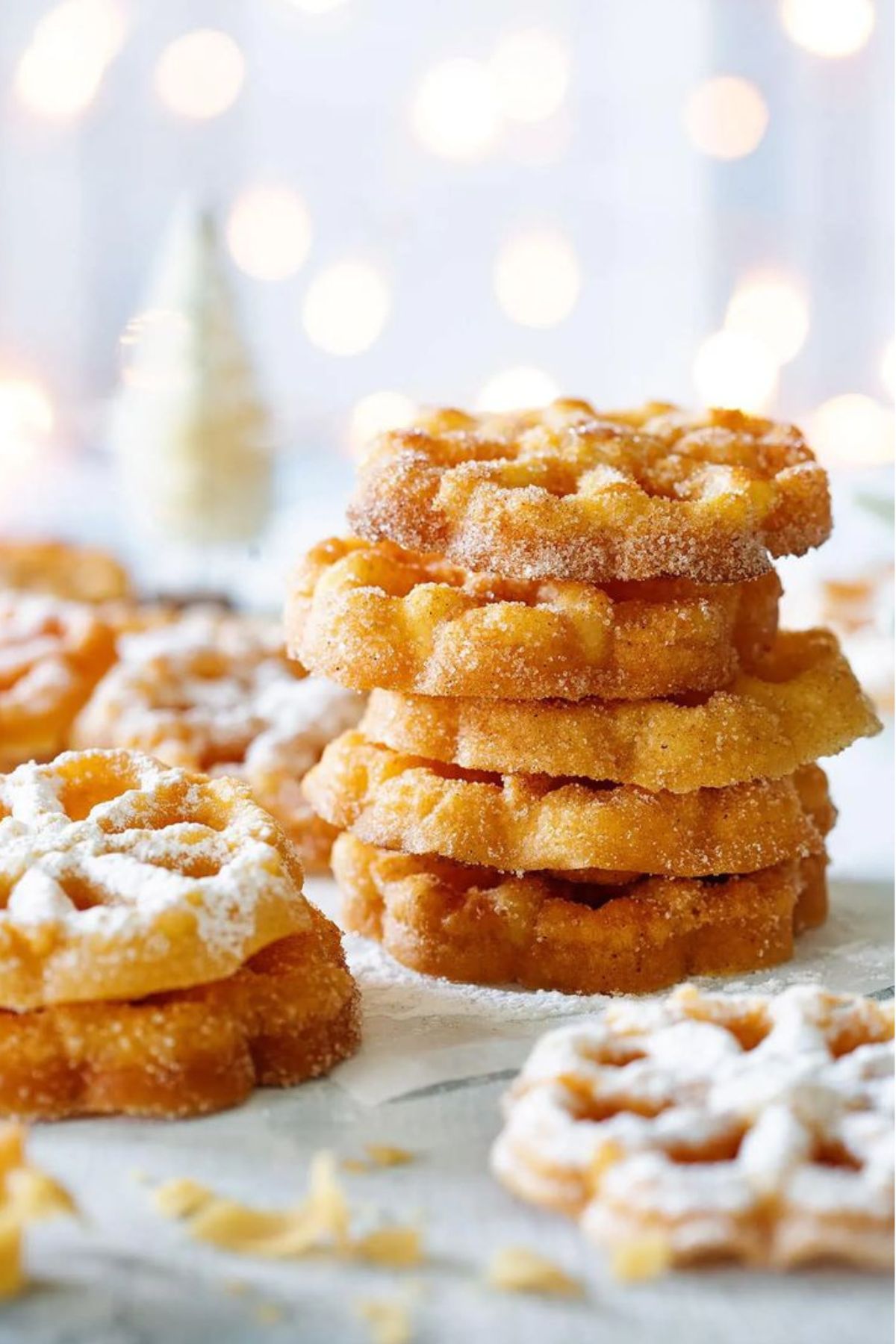
Buñuelos are a dessert with Arab roots that were introduced to Spain, where they were perfected with frying techniques and recipes combining water, flour, and spices, to which sugar and honey were later added. With colonization, the Spanish brought buñuelos to the Americas, where they became one of the most typical desserts for Christmas festivities.
The Mexican version was adapted with local ingredients, such as wheat flour, and is served with piloncillo honey or cinnamon syrup. They symbolize prosperity and abundance, and their crispy texture makes them ideal for pairing with hot drinks like punch or atole.
We share this tradition with several countries, and each has its own version of buñuelos. In Spain, they are usually filled with cream or chocolate; in Colombia, they are fluffy and made with cheese and cassava starch; in Venezuela, they are known as "mandocas" or "golfeados"; and in the Philippines, buñuelos are made from rice or flour.
STUFFED TURKEY.
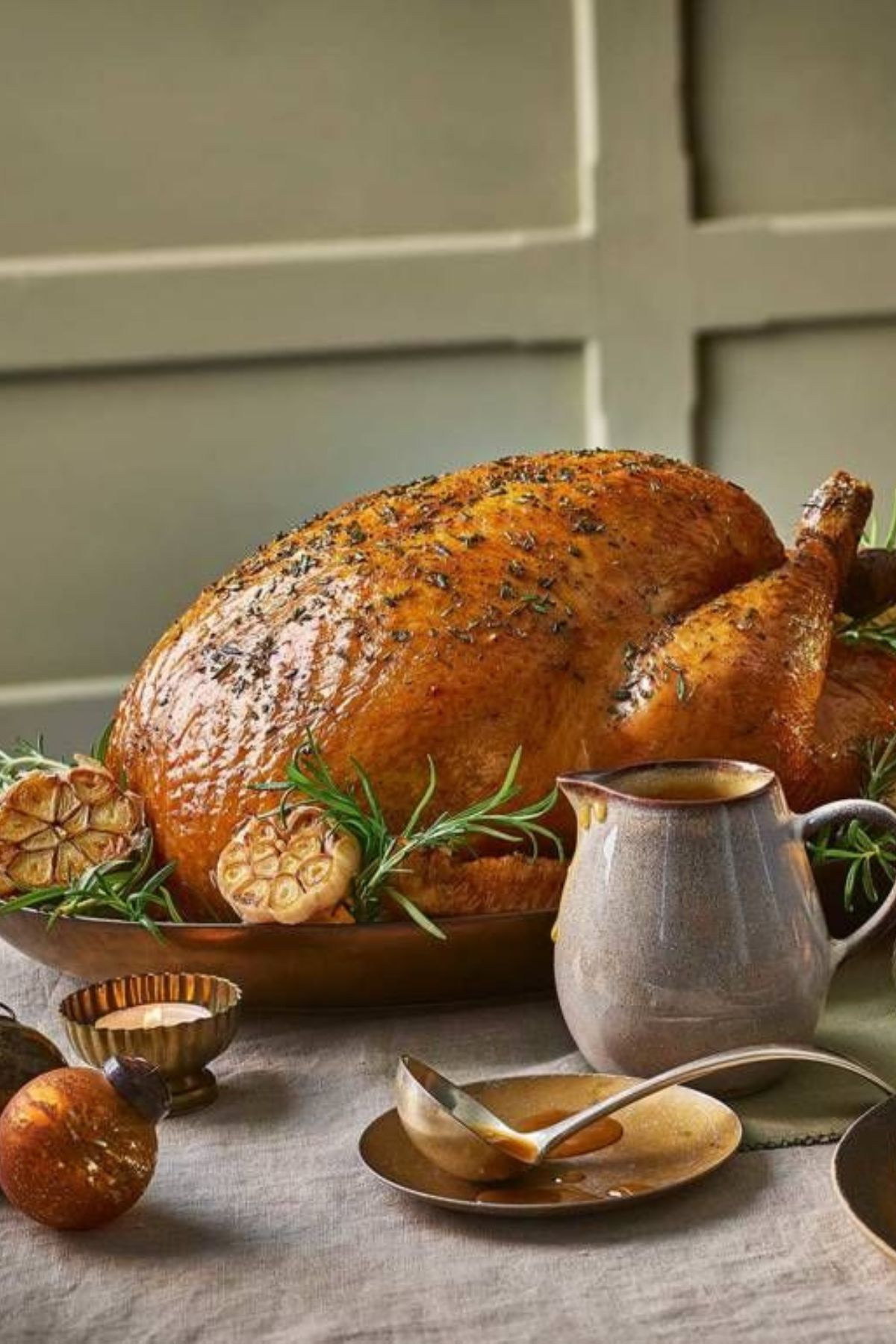
The turkey, better known as "guajolote" in Mexico, was part of the diet of the Mexica and Maya, who considered it a luxury food. With the arrival of the colonizers, the turkey was taken to Europe, where it became popular for important celebrations due to its size and ability to feed many people. It was in Europe that the custom of stuffing it with meat, dried fruits, spices, and bread was adopted.
The tradition of eating delicious stuffed turkey during the Christmas season symbolizes abundance, family unity, and generosity. In Mexico, we usually stuff it with fruits like apples, raisins, nuts, and spices. In the United States and Canada, it is an iconic Thanksgiving dinner dish, and the stuffing can include bread, sausage, celery, onion, and cranberries. In Spain, it is stuffed with foie gras, dried fruits, and ham; in Colombia, with rice, meat, dried fruits, and herbs; and in France, it is served stuffed with chestnuts and accompanied by sophisticated sauces.
Although its roots are in the Americas, the spread of turkey through Europe and its subsequent return to Latin America have turned this dish into a global Christmas dinner tradition.
FRUIT PUNCH.
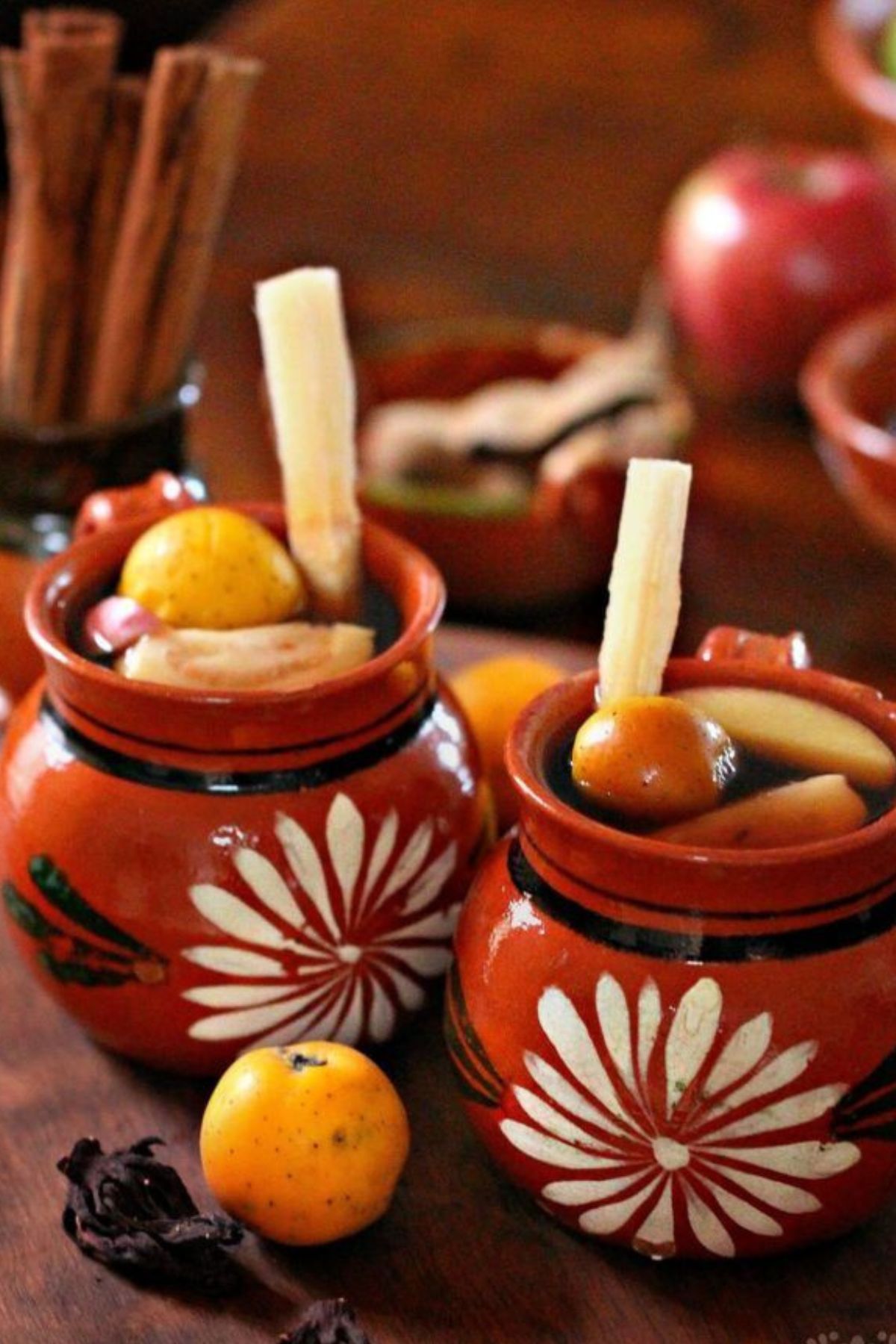
Fruit punch originated in India, where a drink called “pañch” which means “five,” was prepared, referring to the basic ingredients used: water, lemon, herbs, sugar, and alcohol. This drink was brought to Europe by British colonizers, where it became popular.
The Spanish introduced this tradition to Mexico, where the recipe was adapted with local fruits and spices, adding tejocote, guava, sugarcane, tamarind, cloves, and cinnamon. Some people like to add a “piquete,” or what is better known as alcohol, to liven up the festivities and take the chill off with a hot punch during the winter. It is an essential drink for celebrations like posadas, Christmas Eve, and Christmas Day.
There are different versions of punch prepared in other countries. For example, in Guatemala and El Salvador, it is made with tropical fruits like pineapple, papaya, apple, raisins, and spices. In Spain and the United Kingdom, traditional seasonal drinks include eggnog “eggnog” and mulled wine “mulled wine,” which are perfect for sharing the warm holiday spirit.
APPLE SALAD.
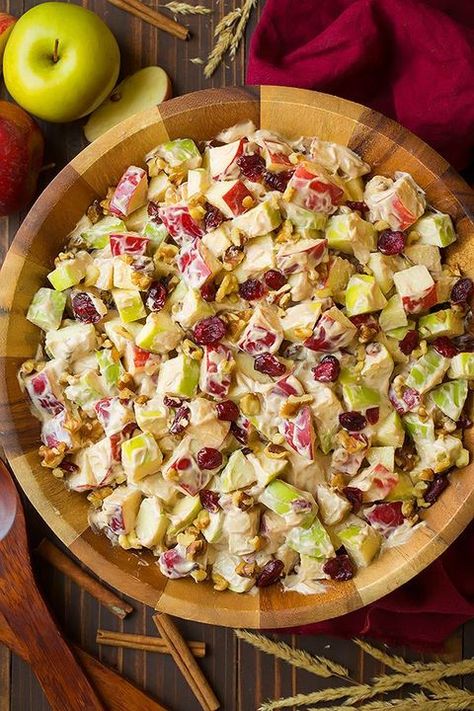
The origin of apple salad is not entirely clear, but it is a combination of American and European traditions. It is likely an adaptation of the Waldorf salad and other preparations that combine fruit, chopped nuts, and cream.
In Mexico, we usually enjoy this type of salad during the December holidays as a fresh and sweet accompaniment to dishes like turkey, romeritos, or cod. It is one of the most popular salads in the country due to its simple preparation and the balance of flavors it brings to the Christmas dinner.
There are many adaptations of this dish, with each country adding its own personal touch. For example, in Colombia, it is combined with chicken and ham for a more sweet-and-savory flavor, while in the Philippines, it is mixed with condensed milk and cream, giving it a touch similar to a sweet fruit salad.
With these dishes we’ve just mentioned, you’re surely already thinking about Christmas dinner and the delicious menu to share with your family during the holidays. Now that you know the origin of these traditional foods and the stories behind each recipe, it’s a great time to appreciate and be grateful for every dish we share at our table.
What dishes do you usually cook during the holiday season?
Nos leemos pronto, ciao.