Proud figures from Guadalajara you might not have known about.
Putting our city on the map for Mexico and the world.
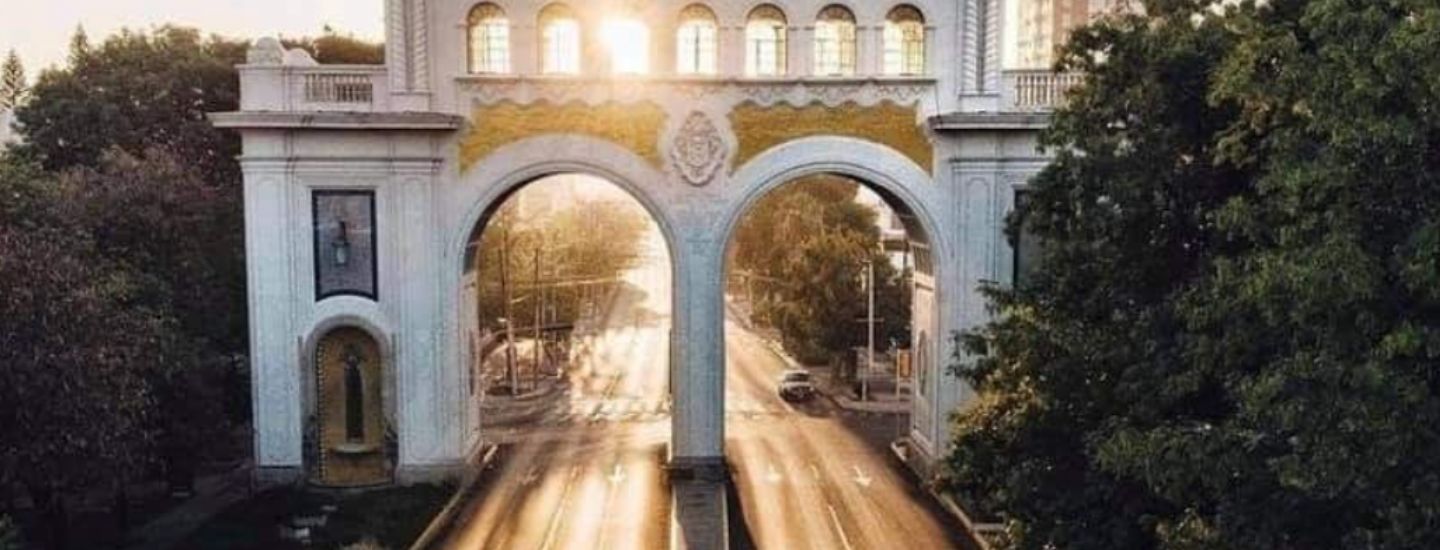
Guadalajara has been many things throughout its history: a city of artists, inventors, architects, musicians, engineers, and individuals who, without making much noise, ended up doing extraordinary things.
And although we recognize some of these names today, there are stories behind them that deserve to be told.
Because it’s true: a Tapatío moved an entire building without interrupting telephone service; another helped bring color to television; an architect born here became the first and only Mexican to receive the Pritzker Prize; and a song written by another Tapatío ended up becoming the unofficial anthem of our city.
So, this time we’re bringing you a brief look back at the time before 1990 to remember some of the Tapatío pride that made history.
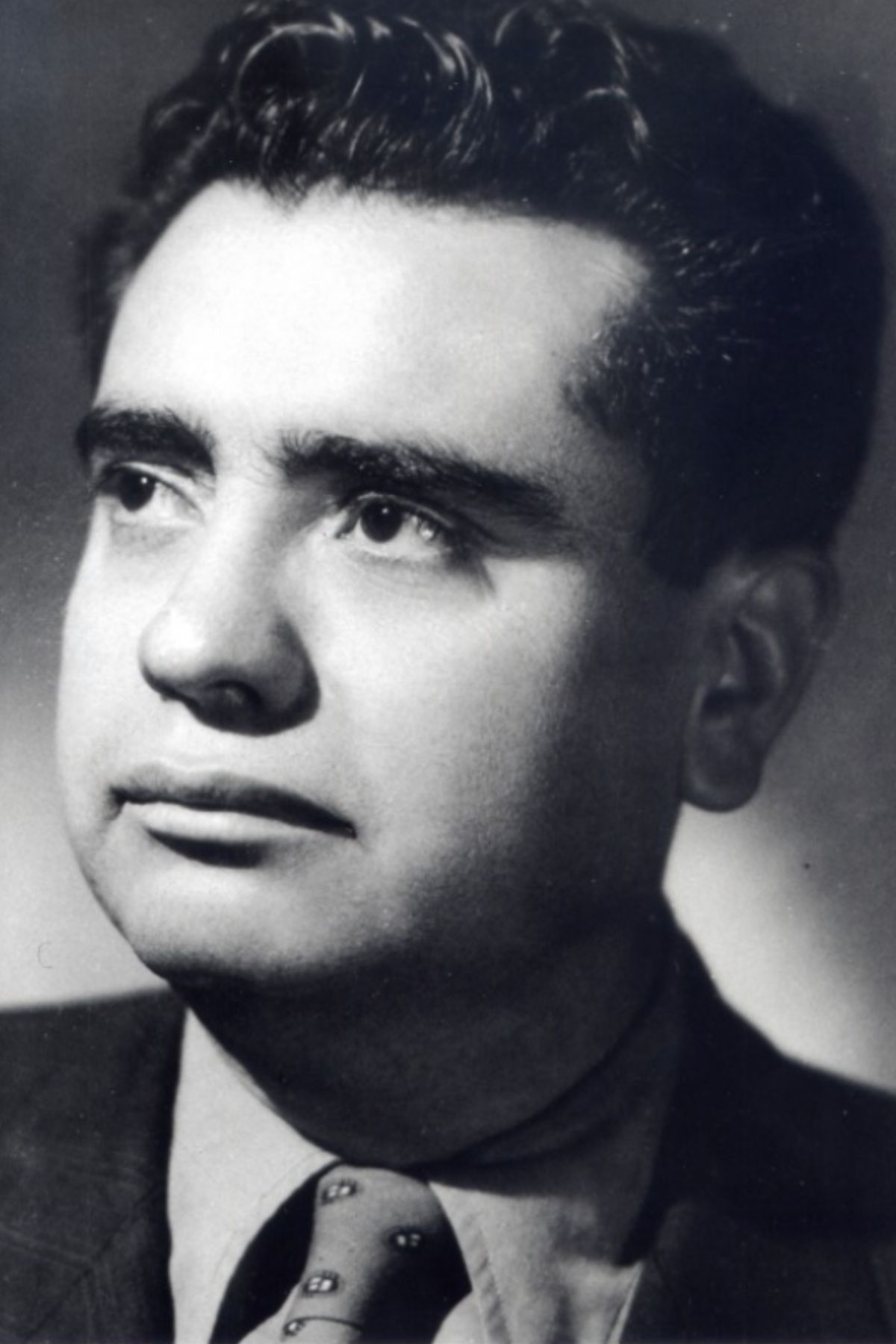
José Pablo Moncayo
The Tapatío behind one of the most iconic Mexican sounds.
There are melodies that we, as proud Mexicans, recognize anywhere in the world, even if we don't know exactly where they come from. One of them is the Huapango de Moncayo.
José Pablo Moncayo was born in Guadalajara in 1912 and became a composer, pianist, percussionist, and orchestra conductor.
A curious fact often overshadowed by the fame of his masterpiece: the Huapango wasn't born simply from Moncayo's imagination. In 1941, he traveled to Veracruz with Blas Galindo to research the region's traditional music, and from that experience, he drew upon three Veracruz sones: El Siquisirí, El Balajú, and El Gavilancito.
This melody was performed for the first time on August 15, 1941, at the Palacio de Bellas Artes by the Symphony Orchestra of Mexico.
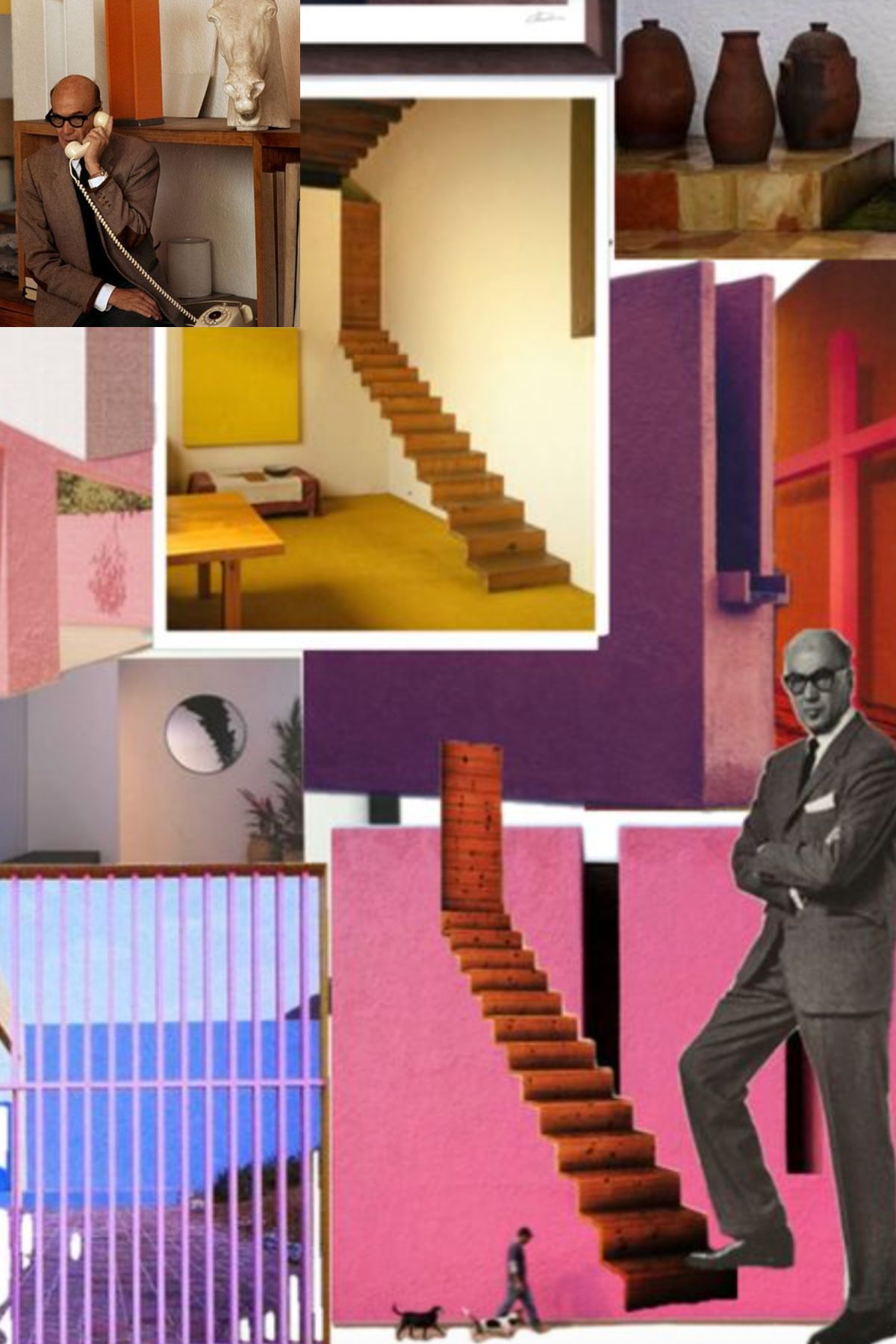
Luis Barragán
The Tapatío who brought Mexican architecture to the world.
If there is one man who proves that you can transform global architecture from our city, it is undoubtedly Luis Barragán.
Born in Guadalajara in 1902, he studied engineering and developed his architectural style primarily as a self-taught practitioner. During the 1920s, he was associated with the so-called Tapatío School, which sought to reinterpret regional traditions within modern architecture. His work ultimately became a unique combination of walls, water, light, gardens, color, and silence.
In 1980, he received the Pritzker Prize of Architecture, becoming the first Mexican to receive it.
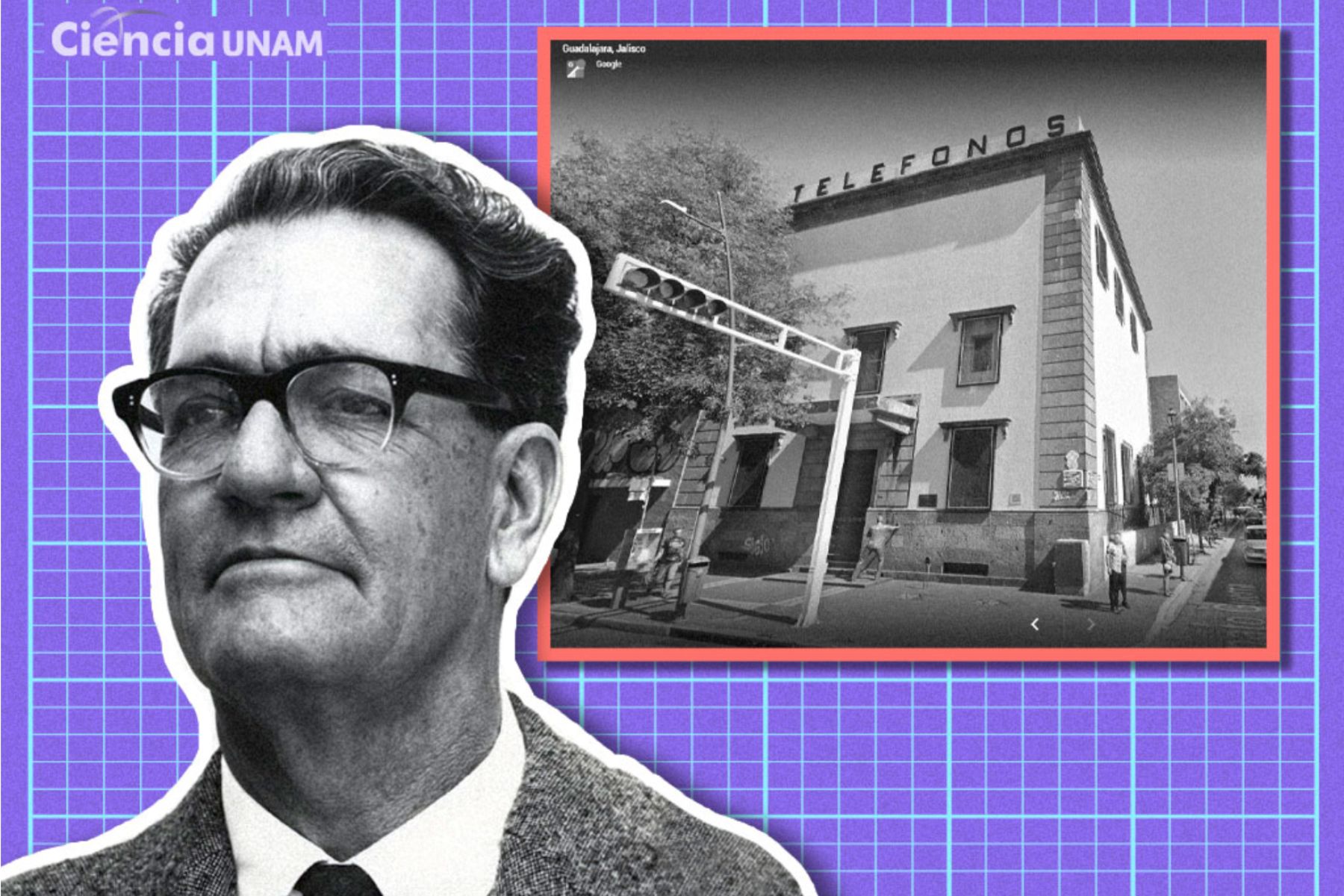
Jorge Matute Remus
The man from Guadalajara who moved a building.
In 1950, Guadalajara needed to widen Juárez Avenue, and the Mexican Telephone Company building was right in the way.
Obviously, the solution wasn't to tear it down. So, engineer Matute Remus devised a way to move it.
The building, weighing approximately 1,700 tons, was shifted about 12 meters and rotated to align with the new layout of the avenue. And what is truly incredible here is that telephone service was not interrupted during the maneuver. The people inside the building continued with their activities.
The operation began on October 24, 1950, and the move was completed in approximately five days.
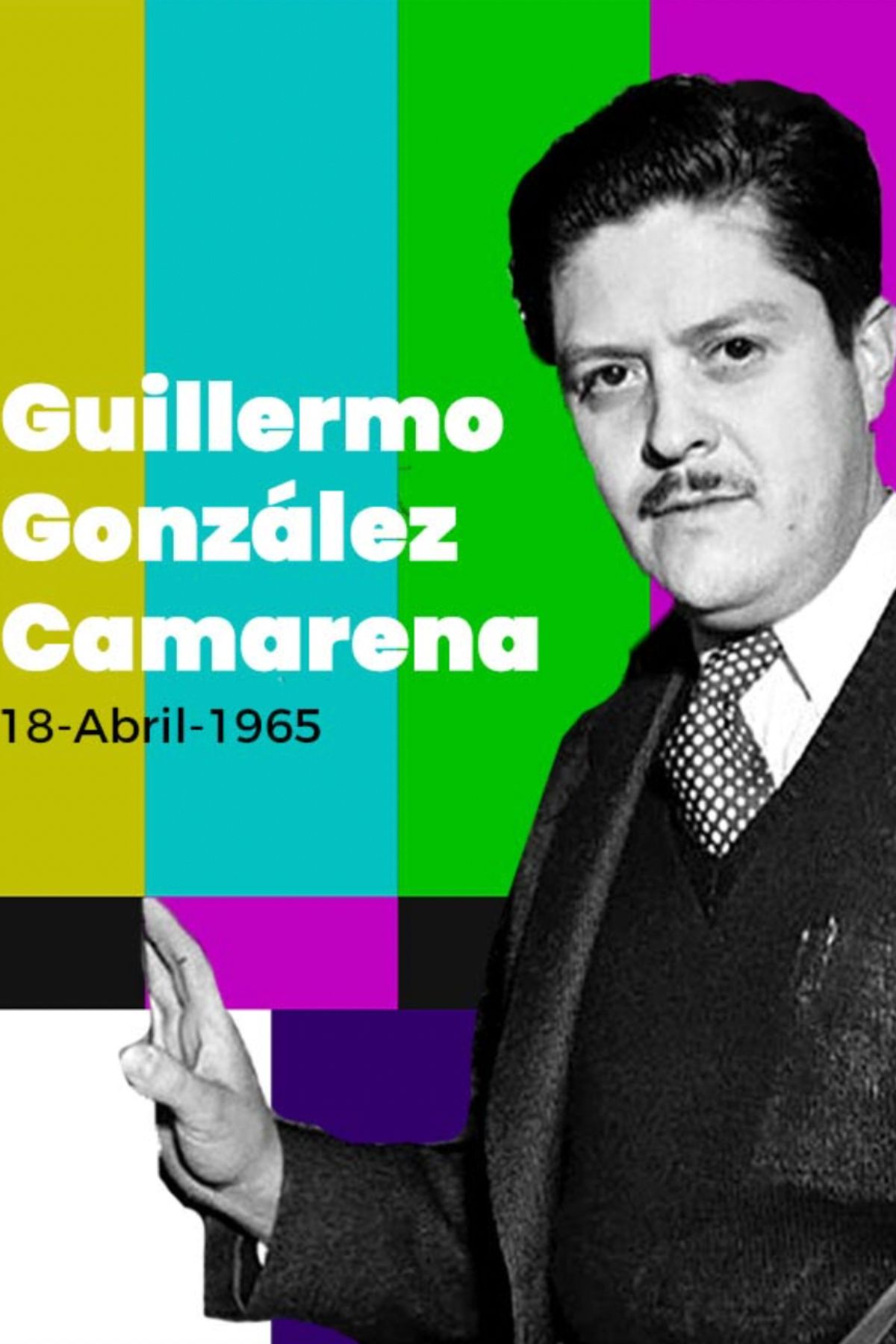
Guillermo González Camarena
Long before flat screens, streaming or cell phones with millions of colors existed, a young man from Guadalajara was obsessed with one idea: watching color television.
Guillermo González was born in Guadalajara in 1917 and showed an unusual fascination with technology from a very young age. At 17, he built his own television camera.
And at just 23 years old, he obtained the patent in Mexico for his Sequential Tricolor Field System, a system that used the three primary colors (red, green, and blue) to produce color images. Two years later, he obtained the patent in the United States.
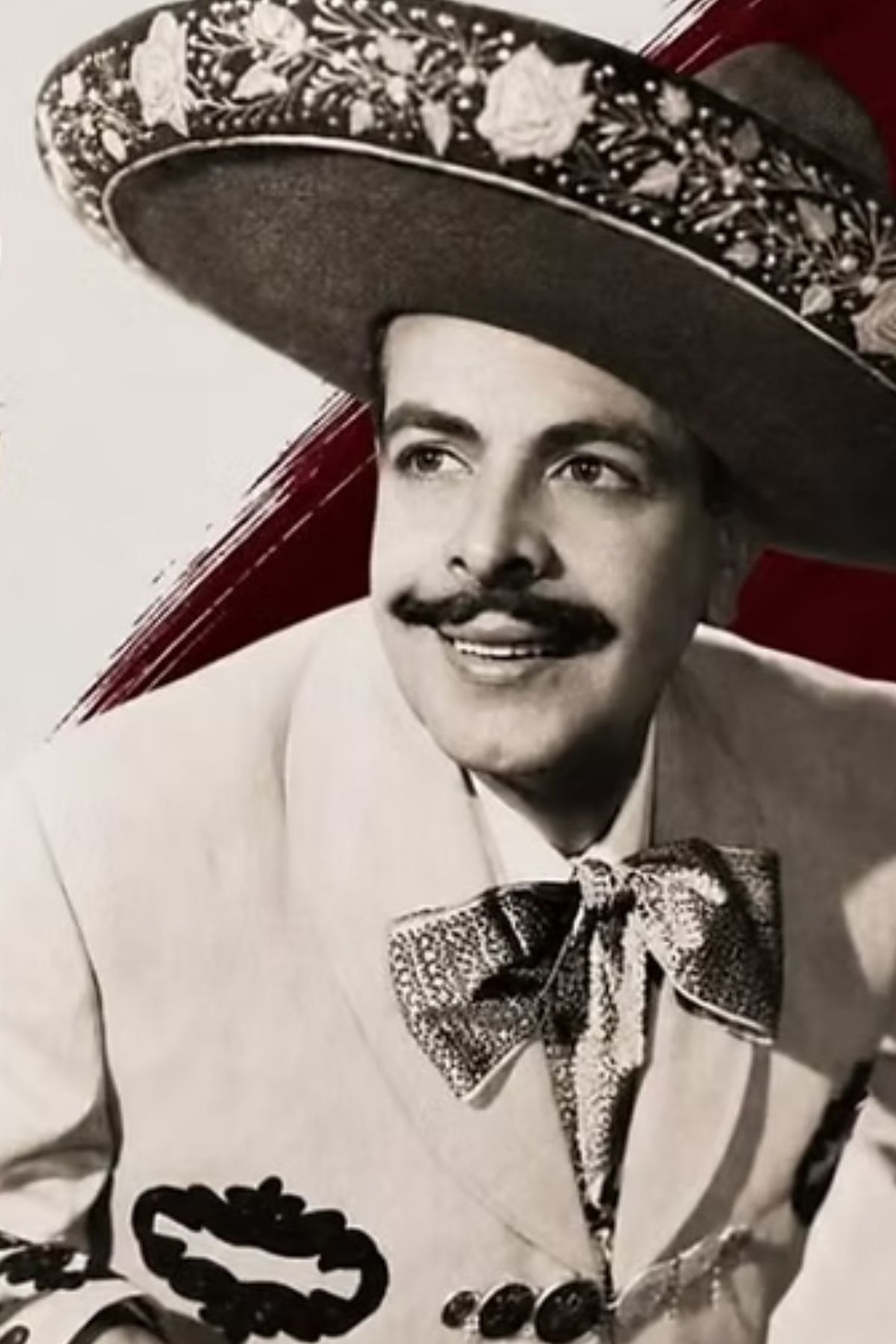
Pepe Guizar
There are songs that describe a city. And then there is “Guadalajara, Guadalajara” which is our city's anthem worldwide.
José “Pepe” Guizar Morfín was a native of Guadalajara, born in the San Juan de Dios neighborhood. He was a composer and one of the great representatives of 20th-century Mexican music.
He wrote songs dedicated to different places in Mexico and was known on XEW as "The Musical Painter of Mexico," precisely because his compositions sought to portray the country's landscapes, customs, and regions.
Did you know about all this talent from Guadalajara?
See you soon.